You had a vision—a new strategy, a career move, a relationship—something that really mattered. And now, it’s not going the way you thought it would.
That moment can feel like a gut punch. It’s disorienting. Frustrating. Discouraging.
In the past few weeks, I’ve heard a refrain: “This isn’t how I thought it was going to turn out.”
People navigating very different crossroads have said this—after the loss of a loved one, a health crisis, a divorce. And then there are the work-related stories:
- The surprise layoff.
- The entrepreneur facing bankruptcy.
- The startup founder struggling to land that first big customer.
- A board under pressure because their big bet product launch isn’t moving fast enough.
The Biggest Risk to Your Strategy
In my consulting work, I’ve been thinking a lot about why great ideas don’t always succeed. What I’ve found is that the biggest risk to most strategies isn’t a flawed plan—it’s that the people you will need to take action… don’t!
Even the best ideas, the most well-thought-out strategies, and the most compelling visions can stall when the right people don’t engage, align, and move forward. Understanding why this happens is key to overcoming it.
The Hidden Traps
When things don’t turn out as expected, frustration sets in. But beneath that frustration are three powerful forces:
1️⃣ Assumptions – These are the unstated beliefs we take for granted about how things are. They often operate in the background without us realizing it.
2️⃣ Expectations – These are explicit beliefs about how things should be. They involve a sense of cause and effect—we anticipate that certain actions will lead to specific outcomes.
3️⃣ Reality Check – The outcome doesn’t match what we pictured, creating a gap between what we assumed, what we expected, and what actually happened.
It’s easy to get stuck here—blaming external factors (“This isn’t fair!” or “People just don’t get it”) or abandoning the effort altogether. But neither of those responses moves you forward.
What to Do Instead: The Compass Approach
Rather than feeling like you’ve lost your way, think of this as a moment to adjust your internal compass. When explorers get lost, they don’t sit down and give up—they recalibrate, look at the world around them differently, and find a new route.
If you’re hitting a wall, here’s how to shift from frustration to forward momentum:
1️⃣ Acknowledge Reality
The faster you recognize reality, the faster you can adjust. Instead of resisting the unexpected, accept it:
“This isn’t what I planned. I don’t like it. But I’m not done.”
Shifting how you think about setbacks changes how you respond to them.
2️⃣ Reconfirm Your Destination
Step back and breathe. Ask yourself: ✔️ Is this goal still worth pursuing? ✔️ Is the outcome I desire or the problem I’m solving still relevant? ✔️ Does this really matter right now?
3️⃣ Reevaluate Your Map & Challenge Your Assumptions
If your destination still matters, the challenge isn’t to start over—it’s to find a better path.
Ask yourself: ✔️ What did I assume about how this would work? Were my expectations of cause and effect valid? ✔️ Which of my assumptions were off? ✔️ What adjustments do I need to make?
And most importantly… ✔️ Who needs to take action for this to move forward? And what’s stopping them?
This last question is critical. If people aren’t taking action, it’s often because they’re confused, skeptical people aren’t aligned. If your outcome still matters, then your next step is to actively engage, align, and mobilize people—not just tweak the plan.
4️⃣ Explore a New Path
The biggest mistake I see leaders make when trying to get a stalled plan back on track is applying the same approach and expecting different results. Instead, ask:
“What’s another way to get there?”
Mountain climbers facing a sheer cliff doesn’t quit climbing—they look for another way up. The same applies to your challenge. What alternative strategies could get you closer to your goal?
Often, the solution isn’t a major pivot—it’s making small shifts: ✔️ Clearer communication to ensure alignment. ✔️ Engaging the right people to create momentum. Resetting expectations so people know what success looks like. ✔️
Because at the end of the day, even the best strategy in the world won’t work if the people who need to act… don’t.
Your Next Step
Progress isn’t always a straight line. The key is recognizing that detours aren’t failures—they’re just part of the journey.
Give yourself the gift of stepping back and thinking strategically.
Take at least 10 minutes today to reflect on these questions. Write down one concrete step you can take to move forward.
You may not be where you want to be. But a different direction is only one action away.
I welcome your thoughts.
-Susan
P.S. If you are leading a high-stakes initiative and struggling to get people aligned and moving forward, join me for the next Strategy Reboot—a half-day session to get clarity, identify the risks and roadblocks, and build a plan for what’s next. Check out the details.
Think of this as an investment in yourself as a leader. Or sponsor a leader you believe in who could use a fresh perspective!
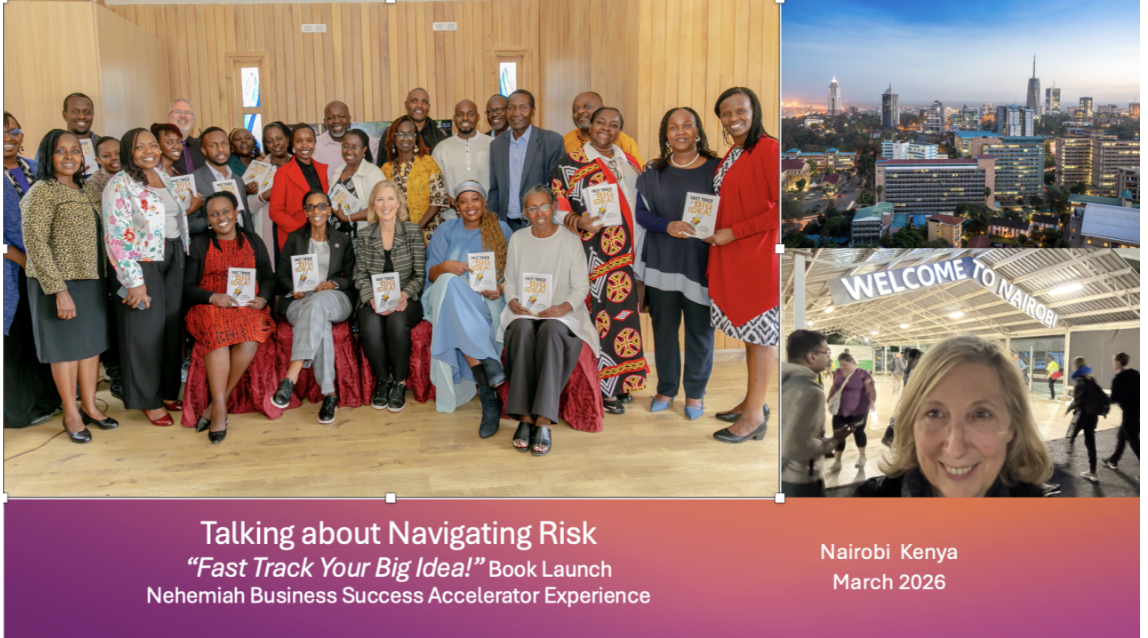
(This article is part of my Fast Track Insights, providing practical ideas whether you are driving a new strategy or getting one back on track. I want to help you avoid common mistakes. Subscribe to receive practical insights once or twice a month. And get updates about my upcoming book, “Fast Track Your Big Idea! Navigate Risk, Move People To Action, and Avoid Your Strategy Going Off Course“. )