It hit me somewhere over the Pacific, on one of the longest flights in the world, from San Francisco to Singapore.
Somewhere between the bad coffee, movie binging, and unsuccessfully trying to sleep sitting upright on a 17-hour flight, one thing kept standing out to me:
Big journeys never go exactly as planned.
The flight crew certainly doesn’t expect it. They are fully prepared for weather changes, mechanical issues, unexpected air traffic control delays, and an endless variety of passenger drama. Their systems are built around monitoring and recalibrating, not assuming the original plan will unfold perfectly.
Yet in organizations, we often expect the opposite.
We define a strategy, announce the vision, rally the team… and then act as though changing course means something must be wrong. Some even get defensive.
But adapting isn’t failure. It’s a practical recognition that risk doesn’t disappear once the strategy launches.
Conditions change. People react differently. New information shows up.
That’s why adaptive teams matter so much. They can adjust and change without losing momentum, trust, or sight of the goal.
One of the greatest benefits of building adaptive teams is this:
Disruptions stop feeling like crises and start to feel like signals. Signals to pay attention, to talk openly, to adapt before small issues become major problems.
Healthy teams make space for conversations like:
• What are we learning?
• Which assumptions may no longer be valid?
• What needs to change before small issues become bigger ones?
People handle uncertainty remarkably well when they are encouraged to anticipate challenges and be ready to adapt.
That’s true on airplanes. And it’s true in organizations, too.
So if you’re leading people toward a big new destination right now, the question isn’t: “How do we avoid disruption?”
Instead, the better question may be: “Are we building a team that can quickly adapt?’’
Big ideas are not built upon “perfect” strategies. They’re built by teams that know how to adapt when disruption inevitably shows up.
-—Susan
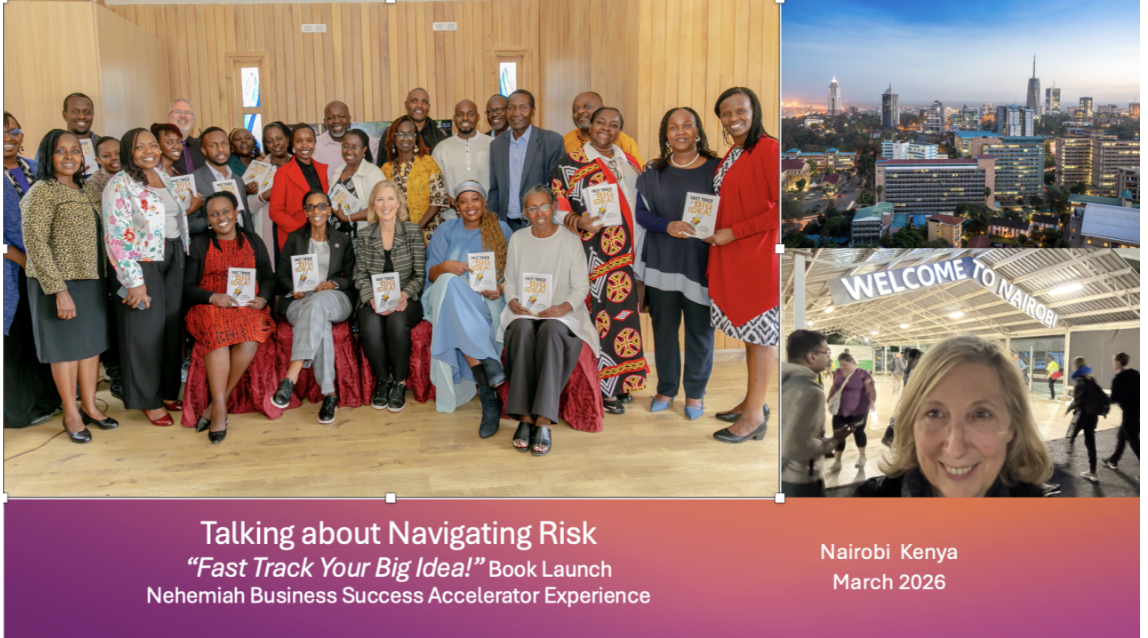
P.S. If you’re wrestling with a new initiative, check out my new book, Fast Track Your Big Idea! Navigate Risk, Move People to Action, and Avoid Your Strategy Going Off Course. There are over 20+ practical tools you can apply immediately.
This article is part of my “Fast Track Insights” newsletter, providing practical ideas whether you are driving a new strategy or getting one back on track. I want to help you avoid common mistakes. Subscribe to receive practical insights once or twice a month.